
We know that staying connected is important for our wellbeing - it boosts mental health, builds confidence, and helps us feel part of our community.

But living with a disability can sometimes make it harder to connect with others. Barriers like transport, accessibility, and confidence often lead to feelings of social isolation.

If you are eligible, the NDIS (National Disability Insurance Scheme) can help fund supports that make social connection easier. Whether you enjoy group activities, learning new skills, or simply catching up with friends, your plan can be tailored to reduce isolation and help you live the life you want.

Here are 10 ways you can reduce social isolation—some through Focal’s services with NDIS funding and some through other community opportunities.

1

Join Group Activities

Many NDIS providers run group programs designed to bring people together. These might include cooking classes, art workshops, day trips, or even movie nights. Group activities are a fantastic way to make new friends, share experiences, and try something different in a safe, supportive environment. Focal has a diverse range of group activities for all interests – discover them all.
2

Join a Sports or Fitness Program

Staying active is not just about physical health—it’s also about connection. All-abilities sports teams, walking groups, and inclusive gym programs are excellent ways to meet people in a supportive environment. Whether it’s basketball, dance, or swimming, sport is a great way to build routine and belonging. Discover local sport programs:

3

Visit Community Centres and Hubs

Community centres, disability hubs, and neighbourhood houses are great places to connect. Many offer low-cost activities or programs such as gardening, crafts, music groups, or games afternoons. These hubs are welcoming spaces where you can drop in regularly, see familiar faces, and be part of a local network. Visit a local hub:

4

Volunteer

Volunteering is one of the best ways to feel connected and give back to the community. If you need support to volunteer, you could potentially use your NDIS funding for support to volunteer at an op shop, animal rescue, or community garden. Not only does this reduce isolation, but it also builds skills, confidence, and a sense of purpose. A support worker can assist with transport, communication, or tasks if required. Search for volunteering opportunities online:

5

Take Classes or Workshops

Learning something new is a great way to meet people with similar interests. NDIS funding can be used for classes that build skills – such as dance, drama, music, or digital technology. These workshops provide routine social interaction, boost confidence, and may even lead to long-term friendships.

  • Ipswich Libraries offer many free programs for different age groups.
  • Ipswich PCYC offers free and lost cost access to various programs, including Little n Active, Gymnastics, driving program, squash, fitness classes, gym access, and more.
  • My Community Diary
6

Get a Support Worker for Outings

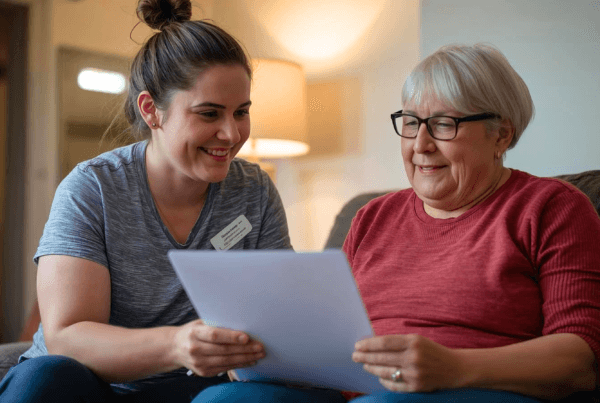
If you’d like to go out more but find it difficult on your own, a support worker can reduce barriers you might face when doing this independently.  They can accompany you to local events, markets, sports games, or even just for a coffee at your favourite café. The benefits of having a support worker provide community access support include assistance with transport, mobility, or communication – combined ensuring your social outing remains as stress-free as possible. Reach out to us to find out how we can match you with a support worker.
7

Online Social Groups

Sometimes it’s not possible to leave home, but that doesn’t mean you have to miss out. Many organisations offer online social catch-ups, games nights, and classes via Zoom or Teams. This is a great option if you live in a regional area, have limited transport, or prefer connecting from the comfort of home.

  • HealthfulChat is an online disability live chatdesigned to bring people with disability and chronic illness together to support one another.
  • I Can Network runs this program to give young autistic people a safe, peer-led space to build confidence and social connections in a safe environment.
  • Friendline is a call or online chat space from a friendly voice. For anyone who wants to talk to more people.
8

Explore Peer Support Networks

Peer support groups connect people with similar lived experiences. Whether it’s a disability-specific network or a broader community support group, sharing stories and advice can be incredibly powerful. These groups often run both face-to-face and online, giving you the flexibility to connect in ways that suit you.

9

Plan Social Goals in Your NDIS Plan

When you review or set up your NDIS plan, make sure your goals include social participation. For example: “I want to make new friends,” or “I want to access the community.”  With these in your plan, it’s easier to get the right supports funded.
10

Community Events and Holiday Celebrations

Many community organisations and your local council will likely host special events throughout the year, such as Christmas parties, BBQs, or cultural festivals. These events are fun, welcoming, and full of opportunities to meet new people. Even attending one or two a year can help you feel more connected and part of your community. The best places to look are:

Reducing social isolation doesn’t have to be complicated. With the right supports, you can take part in group programs, explore new hobbies, volunteer and be more active.

At Focal, we’re passionate about creating opportunities for connection – whether through our own programs or by supporting you to explore what’s happening in the wider Ipswich community. By exploring these options, you can build friendships, try new experiences, and feel more connected to your community.